

I’ve spent years hunting for the perfect bread recipe, and let me tell you, this ciabatta is the one that finally stuck around. You know that moment when you bite into fresh bread and it just sings? That’s what we’re making here. The high water content is what makes this dough so special—it seems intimidating at first, but your stand mixer does almost all the work for you. What I love most about this bread is how forgiving it becomes once you understand the basic rhythm. You’re not wrestling with stiff dough or spending hours kneading by hand. Instead, you’re working with something that feels more like a batter, letting time and gentle folds do what muscle power can’t. The result is a loaf with this incredible open crumb structure, all those irregular holes that catch oils and sauces perfectly. Making ciabatta taught me something about baking that applies to so much else in life: sometimes the best things need patience more than effort. This bread needs time to rest and develop flavor—nearly a full day if you count the poolish stage—but the actual hands-on time is shockingly minimal. Plan ahead, show up for a few gentle folds, and you’ll have bread that tastes like you’ve been baking for decades.

Table of Contents
- 1) Key Takeaways
- 2) Easy Homemade Ciabatta Bread Recipe
- 3) Ingredients for Homemade Ciabatta Bread
- 4) How to Make Homemade Ciabatta Bread
- 5) Tips for Making Homemade Ciabatta Bread
- 6) Making Homemade Ciabatta Bread Ahead of Time
- 7) Storing Leftover Homemade Ciabatta Bread
- 8) Try these Bread next!
- 9) Easy Homemade Ciabatta Bread Recipe
- 10) Nutrition
1) Key Takeaways
- What makes ciabatta bread different from other bread recipes?
- Can I make easy bread recipes without a stand mixer?
- What are the main ingredients in simple bread recipe?
- How long does it take to make homemade ciabatta bread?
- What’s the secret to getting irregular holes in bread?
2) Easy Homemade Ciabatta Bread Recipe
Making easy bread recipes at home doesn’t have to feel intimidating. I learned this the hard way after years of avoiding anything yeast-related, convinced I’d somehow ruin it. Then I discovered ciabatta, and everything changed. This simple bread recipe became my gateway into understanding that great bread isn’t about fancy equipment or complicated techniques. It’s about respecting time and trusting the process. When you’re looking for easy bread recipes for beginners, ciabatta teaches you something invaluable: sometimes less work produces better results.
The magic of this recipe lies in its simplicity. You’ll work with just four ingredients: flour, water, yeast, and salt. That’s it. No complicated ratios or mysterious techniques that require years of experience. What makes this different from other easy yeast bread recipes is the high water content, which sounds scary until you realize your stand mixer handles everything for you. I never knead this dough by hand. Instead, I let the machine do what it does best, and I focus on the gentle folding that gives the bread its structure.
What I appreciate most about this bread maker recipes easy approach is that it respects your time. You’re not spending hours in the kitchen. Instead, you’re spending small pockets of time spread across nearly a full day. The poolish stage is where the real flavor development happens. This is your best homemade bread secret. By letting the dough rest overnight, you’re building complexity that you simply can’t rush. The bread becomes something deeper, more interesting, with a subtle tang that makes people ask what bakery you went to.
I’ve made this recipe dozens of times now, and each time I’m struck by how forgiving it is. The dough doesn’t care if your kitchen is warm or cool. It doesn’t demand precision with a stopwatch. It just wants time and a little attention. That’s what makes it an easy bread recipe that actually works for real people with real schedules. Whether you’re feeding a family or bringing bread to a gathering, this recipe delivers results that taste like you’ve been baking professionally for years. At Eleanor Cooks, we believe that’s what real cooking should feel like.

3) Ingredients for Homemade Ciabatta Bread
Bread Flour (1 ½ cups for the poolish, 2 ⅔ cups for the dough): Bread flour is essential for building structure in this bread. The higher protein content creates those beautiful irregular holes that make ciabatta so distinctive. I’ve tested this recipe with all-purpose flour, and while it works, the crumb structure doesn’t develop quite the same way. Your bread will still be delicious, but it won’t have that same open, airy feel. If you don’t have bread flour on hand, all-purpose flour is your backup option, just know you might need to adjust water slightly since all-purpose absorbs liquids differently. When you measure your flour, I recommend using a scale if possible. Scooping directly from the bag and leveling off with a knife can vary wildly, and this recipe is sensitive to flour weight.
Water (1 cup for the poolish, 1 cup for the dough, room temperature): Water makes up the bulk of this dough, and it’s what creates all those irregular holes everyone loves about ciabatta. Use room temperature water because cold water slows fermentation when you don’t want it to, and hot water can kill your yeast. I usually fill a measuring cup and let it sit on the counter while I gather everything else. Room temperature is just that simple. The high water ratio might seem strange when you’re mixing, but trust the process. Your dough will look like thick batter, and that’s exactly what you want.
Instant Yeast (¼ teaspoon for the poolish, ½ teaspoon for the dough): I use instant yeast for all my bread baking because it works reliably and doesn’t require proofing. Make sure your yeast is fresh. Old yeast won’t ferment properly, and you’ll end up with flat bread. Store your yeast in an airtight container in the refrigerator to keep it fresh longer. Some people swear by active dry yeast as well, and you can use it here if that’s what you have. Just know you might need to adjust fermentation times slightly since active dry yeast works a bit more slowly than instant.
Salt (2 teaspoons for the dough): Salt does more than flavor your bread. It actually strengthens the gluten network and slows fermentation, which develops deeper flavors. Without salt, your bread would be bland and rise too quickly. The salt in this recipe is there for both taste and structure. Use a good quality salt if you can. I prefer kosher salt or sea salt over table salt. The crystals dissolve more evenly and distribute flavor throughout the dough more consistently. Don’t skip the salt, and don’t be tempted to add more. This amount is carefully calculated for the dough’s fermentation schedule.

4) How to Make Homemade Ciabatta Bread
Step 1: Mix the poolish. Combine 1 ½ cups bread flour, 1 cup room temperature water, and ¼ teaspoon instant yeast in a medium bowl. Stir everything together with a wooden spoon until you have a smooth, well-mixed consistency. There shouldn’t be any flour lumps anywhere. Cover your bowl with plastic wrap and set it on the counter at room temperature. This is the first stage of your bread journey, and patience is your only job here. Let it ferment for 15 to 20 hours. I usually mix mine in the evening and use it the next afternoon. The poolish will smell tangy and bubbly when it’s ready. Don’t stress about hitting exactly 15 or 20 hours. Anywhere in that window works perfectly fine.
Step 2: Combine ingredients in the stand mixer. Place your poolish in the bowl of your stand mixer fitted with the paddle attachment. Add 2 ⅔ cups bread flour, 1 cup room temperature water, 2 teaspoons salt, and ½ teaspoon instant yeast. Mix on low speed for about 2 minutes until all the flour is wet and incorporated. This prevents flour from floating around and makes cleanup easier. Don’t rush this stage. You want everything evenly moistened before increasing the speed. The dough at this point will look shaggy and rough, which is normal.
Step 3: Mix until the dough forms a mass. Increase your mixer speed to medium-low and continue mixing for about 6 minutes. You’re looking for the dough to form into a cohesive mass that begins pulling away from the sides of the bowl. This doesn’t look like typical bread dough. It should resemble thick batter more than anything, which is exactly right. This high hydration is what creates those beautiful irregular holes in your finished bread. Don’t add extra flour to make it look more like traditional dough. That instinct will fight against what you’re trying to achieve.
Step 4: Switch to the dough hook. Swap out the paddle attachment for the dough hook and mix on medium-low speed for about 10 minutes until the dough becomes smooth and shiny. The dough will remain soft and sticky, almost like it didn’t get mixed properly. This is the moment when you might doubt yourself. Don’t. This is exactly what a high hydration dough looks like. The mixer is building gluten structure without requiring you to knead by hand, which is why this recipe is so easy despite its wet nature. After mixing, your dough will be warm from the friction of the mixer.
Step 5: First rise and folding sequence. Coat the inside of a large bowl lightly with olive oil or nonstick spray. Use a silicone dough scraper to transfer the dough from your mixer into the bowl. Cover with plastic wrap and let rise for 1 hour at room temperature. After an hour, using a greased scraper or damp fingertips, grab one side of the dough, lift it gently, and stretch it over the top of itself. Turn the bowl 180 degrees and repeat the same folding motion. Rotate 90 degrees and fold again. Then rotate 180 degrees to fold the final side. Flip the dough so the bottom becomes the top. Cover and rest for 45 minutes. Repeat this entire folding sequence two more times, resting for 45 minutes between each set. You’re building strength into the dough without aggressive kneading. It’s meditative work once you get the rhythm down.
Step 6: Prepare your oven. Place a cast-iron skillet on the lowest oven rack and an inverted baking sheet on the upper rack. Heat your oven to 450 degrees Fahrenheit and let it preheat for at least an hour. This temperature stability matters more than you’d think. A fully preheated oven makes the difference between bread that rises well and bread that spreads flat.
Step 7: Shape your loaves. Generously dust your work surface with flour and let the dough slide out gently onto the counter. Handle it as little as possible so you don’t deflate all those bubbles you’ve created through folding. Dust the top with flour. Using two well-floured bench scrapers, carefully shape the dough from the sides to form a rough square. Don’t press on top, which would knock out all the air. Cut the square in half down the middle. Using your bench scrapers, gently shape each half into a loaf by manipulating only the sides. Transfer each loaf to a parchment-lined inverted baking sheet. Use your fingertips to gently poke and shape each loaf into a rectangle. Cover with a lint-free cloth and let proof in a draft-free spot for about 30 minutes until puffy with small bubbles forming on the surface.
Step 8: Bake your bread. Have 1 cup of ice ready in a small bowl. Mist the loaves lightly with water. Carefully slide the parchment with both loaves onto the heated baking sheet in the oven using a firm, swift motion. Immediately drop the ice into the cast-iron pan on the bottom rack and close the oven door quickly. The steam is crucial for developing that beautiful crisp crust. Bake for 25 to 35 minutes until the crust is deep golden brown. Check the internal temperature with an instant-read thermometer, which should read 210 to 215 degrees Fahrenheit. Let the bread cool on a cooling rack for at least 15 minutes before slicing. I know it’s tempting to cut warm bread, but waiting helps the crumb set properly so your slices don’t fall apart.

5) Tips for Making Homemade Ciabatta Bread
Measuring your ingredients accurately changes everything. I can’t stress this enough. This recipe is sensitive to flour and water amounts because of the high hydration. Use a kitchen scale if you possibly can. Scooping flour directly from the bag and leveling it off with a knife introduces too much variation. The difference between 200 grams and 250 grams of flour is substantial when you’re working with a wet dough. If you don’t have a scale, spoon the flour gently into your measuring cup and level with a knife. Avoid scooping directly from the bag, which compresses the flour and adds too much. Accuracy here determines whether your dough cooperates or fights you.
Your stand mixer is your friend, not your obstacle. I recommend using a stand mixer for this recipe because the dough is simply too wet and sticky to work with by hand easily. You’ll add so much extra flour trying to manage it that you’ll destroy the hydration balance you need for those irregular holes. A stand mixer does in 16 minutes what would take you 30 minutes of exhausting hand kneading. You get better results with less effort, which is the whole point of easy bread recipes. If you don’t have a stand mixer, try mixing with a wooden spoon and see how it feels. You can knead by hand as a last resort, but add flour sparingly and understand your crumb structure might be tighter than you hoped.
Don’t skip the poolish stage. I’ve been tempted to combine everything at once to save time. Don’t do this. The poolish is where the magic happens. That long fermentation develops flavors that make your bread taste complex and interesting. The bread tastes nothing like store-bought because you’re actually letting flavor develop. Rushing this stage loses what makes this recipe special. Yes, it adds time, but most of that time is inactive. You’re not actually doing anything except waiting.
Learn to read your dough, not just the clock. Fermentation times vary based on your kitchen temperature. In summer, your dough might rise faster. In winter, it moves more slowly. Look for the poolish to smell tangy and bubbly rather than watching the clock religiously. Watch your dough during folding for puffiness and bubbles rather than timing it exactly. These visual cues tell you what’s really happening inside the dough. Once you get comfortable reading these signs, you’ll become confident with the recipe across different seasons and conditions.
Handle the dough gently during shaping. Your shaped dough is a delicate, air-filled creation. You’ve spent hours building gas and structure. Too much pressure during shaping deflates all that work. Use bench scrapers and let them do most of the work. Your hands are just guides, not forceful shapers. If you find yourself pressing and pushing, you’re working too hard. Let gravity and the dough’s natural elasticity do the shaping. Gentle pressure from the sides is all you need.
Steam during baking is non-negotiable. The ice in the cast-iron pan creates steam that keeps the crust soft and pliable during the first part of baking. This allows your bread to expand fully before the crust sets. Without steam, your crust hardens too quickly and your bread looks dense. The combination of steam and high heat creates that beautiful golden crust with a slight crackle. Don’t skip this step or try to substitute it with something else. Ice in a cast-iron pan on the lowest rack is the reliable way to create steam in a regular home oven.
6) Making Homemade Ciabatta Bread Ahead of Time
One of my favorite things about this bread recipe is how well it works when you need to plan ahead. Real life doesn’t always align with fresh bread schedules, so I’ve figured out ways to make this recipe fit your actual timeline instead of demanding you work around the bread’s needs. The beauty of having a long fermentation built into the recipe is that you already have flexibility. The poolish stage can extend beyond 20 hours if you need it to. I’ve left poolish fermenting for 24 hours or even longer, and the bread still turns out beautifully. In fact, longer fermentation means deeper flavor, so this works in your favor.
If you want to make this bread on your own timeline, I recommend preparing the poolish the day before you want to bake. Make it in the evening, let it sit overnight, and when you’re ready to proceed, mix your dough the next morning or afternoon whenever it fits your schedule. The poolish keeps in the fridge too. If you’ve made it and aren’t ready to use it yet, cover it tightly and refrigerate for up to three days. Cold fermentation actually develops flavor beautifully. Just pull it out and let it come to room temperature before mixing. This gives you real flexibility to fit bread making around work schedules and family obligations.
You can also pause the dough after mixing and folding. If you’ve completed your folding sequence but aren’t ready to shape yet, just cover the dough and refrigerate it. You can leave it overnight or even longer. Pull it out, let it come to room temperature, and proceed with shaping. Cold dough is actually easier to shape because it’s firmer. Just give yourself an extra 30 minutes or an hour for the dough to warm up and be more cooperative. This flexibility is what makes this recipe work for actual people instead of just professional bakers with scheduled days.
7) Storing Leftover Homemade Ciabatta Bread
Ciabatta bread keeps well, which is fortunate because you’ll be making two loaves and might not eat both immediately. The key is understanding how this bread changes over time and storing it in a way that preserves what you love about it. On the first day, the crust is still crispy and the crumb is soft and tender. This is the ideal eating window. Slice what you want to eat right away and store the rest of the loaf.
Wrap completely cooled bread in aluminum foil if you plan to eat it within the next day or two. Foil lets the bread breathe slightly while protecting it from drying out. The crust will soften slightly, which some people love and others want to prevent. If you prefer a crisp crust, store the bread uncovered in a paper bag on the counter for a few hours, but eat it the same day. Bread boxes also work beautifully for short-term storage. The bread will stay fresh and the crust maintains more crispness than with foil.
For longer storage, freeze your cooled loaves. Wrap each loaf in two layers of plastic wrap followed by two layers of aluminum foil. This prevents freezer burn and keeps the bread fresh for up to three months. When you want to eat frozen bread, let it thaw at room temperature still wrapped, then unwrap and toast it briefly in a 350-degree oven for 10 to 15 minutes to restore crispness. The bread won’t be quite the same as freshly baked, but it’s surprisingly good. Never refrigerate bread. The cold environment causes it to stale more quickly than it would at room temperature.
8) Try these Bread next!
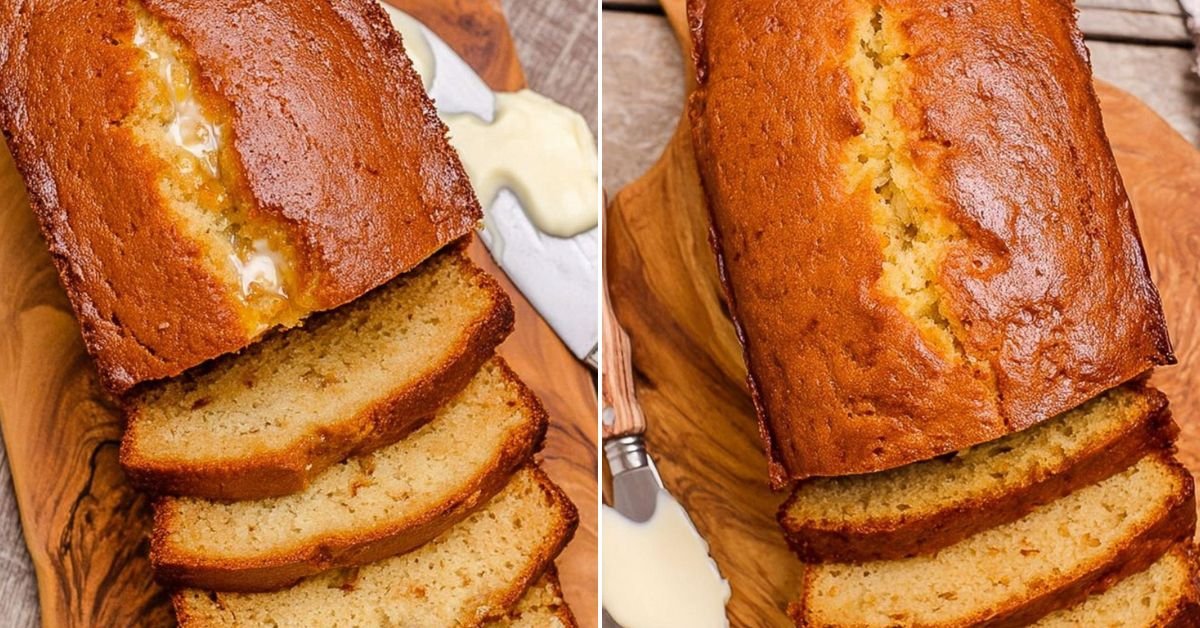
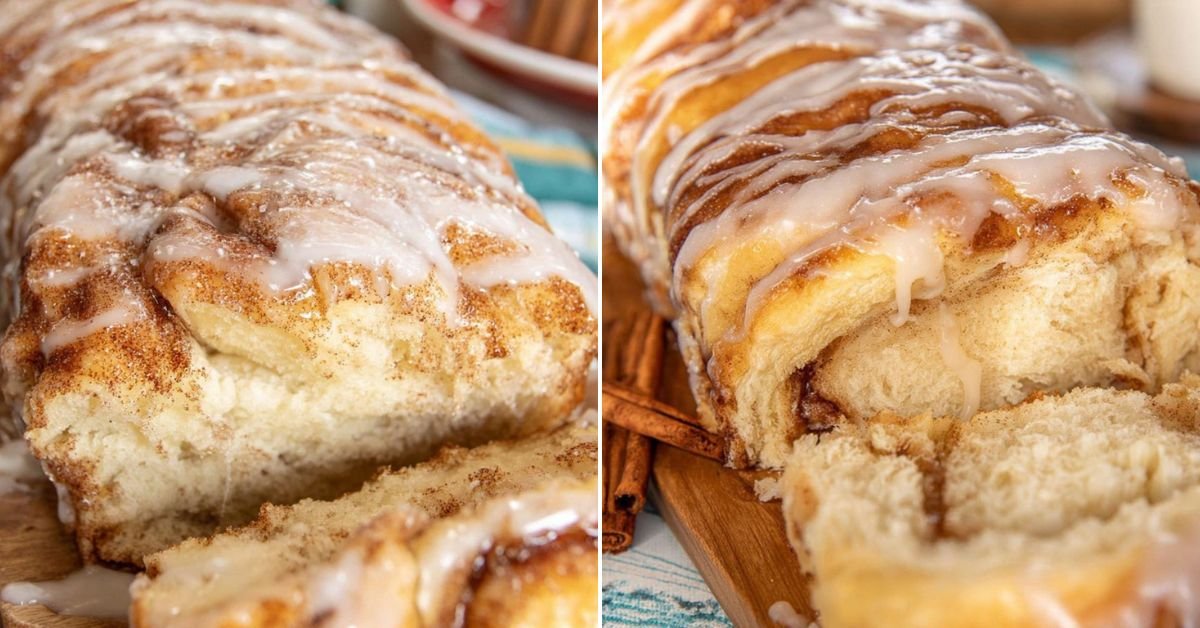
9) Easy Homemade Ciabatta Bread Recipe

Easy Bread Recipes: Homemade Ciabatta Bread
Ingredients
For the Poolish
- 1 ½ cups bread flour (200g)
- 1 cup warm water (200ml)
- ¼ teaspoon instant yeast
For the Dough
- 2 ⅔ cups bread flour (350g)
- 1 cup warm water (240ml)
- 2 teaspoons salt
- ½ teaspoon instant yeast
Instructions
Make the Poolish
- Combine the flour, water, and yeast in a medium bowl. Stir with a wooden spoon until fully combined and smooth. Cover with plastic wrap and let it sit at room temperature for 15 to 20 hours. I usually make mine in the evening and use it the next afternoon.
- Your poolish is ready when it smells tangy and has a slightly bubbly surface. Don’t stress about getting the timing perfect, anywhere in that 15 to 20 hour window works fine.
Make the Dough
- Add the poolish and all dough ingredients to your stand mixer fitted with the paddle attachment. Mix on low speed until all the flour is wet, about 2 minutes. This prevents flour clouds and makes cleanup easier.
- Increase speed to medium-low and mix for about 6 minutes until the dough forms into a mass. Don’t expect this to look like typical bread dough. It should resemble thick batter, which is completely normal.
- Switch to the dough hook and mix on medium-low for about 10 minutes until the dough becomes smooth and shiny. The dough will remain soft and sticky, almost like it’s not done. This high hydration is exactly what gives you those beautiful irregular holes.
First Rise and Folds
- Coat the inside of a large bowl lightly with olive oil or nonstick spray. Use a silicone dough scraper to gently transfer the dough from your mixer. Cover with plastic wrap and let rise for 1 hour at room temperature.
- Here’s where things get interesting. Using a greased scraper or damp fingertips, grab one side of the dough, lift and stretch it gently over itself. Turn the bowl 180 degrees and repeat. Rotate 90 degrees and fold again. Then rotate 180 degrees to fold the final side. Flip the dough so the bottom becomes the top.
- Cover and rest for 45 minutes. Repeat this folding sequence two more times, resting for 45 minutes between each set. You’re building strength into the dough without aggressive kneading. It’s kind of meditative once you get the hang of it.
Shape and Final Proof
- Place a cast-iron skillet on the lowest oven rack and an inverted baking sheet on the upper rack. Heat your oven to 450°F and let it preheat for at least an hour. This temperature stability matters more than you’d think.
- Generously dust your work surface with flour and let the dough slide out gently. Handle it as little as possible so you don’t deflate all those bubbles you’ve created. Dust the top with flour and using two well-floured bench scrapers, gently shape the dough into a rough square.
- Cut the square in half down the middle. Using your bench scrapers, gently shape each half into a loaf by manipulating the sides only, never pressing on top. Transfer each loaf to a parchment-lined inverted baking sheet.
- Use your fingertips to gently poke and shape each loaf into a rectangle. Cover with a lint-free cloth and let proof in a draft-free spot for about 30 minutes until puffy with small bubbles forming on the surface.
Bake
- Have 1 cup of ice ready in a bowl. Mist the loaves lightly with water. Carefully slide the parchment with both loaves onto the heated baking sheet in the oven using a firm motion.
- Immediately drop the ice into the cast-iron pan on the bottom rack and close the oven door quickly. The steam is crucial for developing that beautiful crisp crust you’re after.
- Bake for 25 to 35 minutes until the crust is deep golden brown. Check the internal temperature, which should reach 210 to 215°F. I use an instant-read thermometer and check near the center without poking all the way through.
- Transfer to a cooling rack and let rest before slicing. I know it’s tempting to cut into warm bread, but waiting 15 minutes helps the crumb set properly.
10) Nutrition
Serving Size: 1 slice (approximately 1/40 of the recipe) | Calories: 95 | Carbohydrates: 19g | Protein: 3g | Fat: 0.5g | Saturated Fat: 0.1g | Sodium: 234mg | Fiber: 1g | Sugar: 0.1g | Cholesterol: 0mg


Leave a Comment